
English| EUR
Suggested for you
More currencies
Choose a language
Playa de las Canteras offers one of the Atlantic's most accessible urban snorkeling experiences, with a natural volcanic reef running parallel to nearly three kilometers of sand. This guide covers water conditions, reef zones, visibility windows, and what you'll see below the surface.
Quick answer
Playa de las Canteras snorkeling is accessible 24 hours daily with free public entry from Paseo de las Canteras, 35008 Las Palmas de Gran Canaria. The best underwater visibility occurs between 08:00 and 11:00, before afternoon trade winds stir the sand and before beach crowds peak. La Barra—the volcanic reef protecting the northern two-thirds of the beach—creates calm, shallow lagoons ideal for snorkeling year-round.
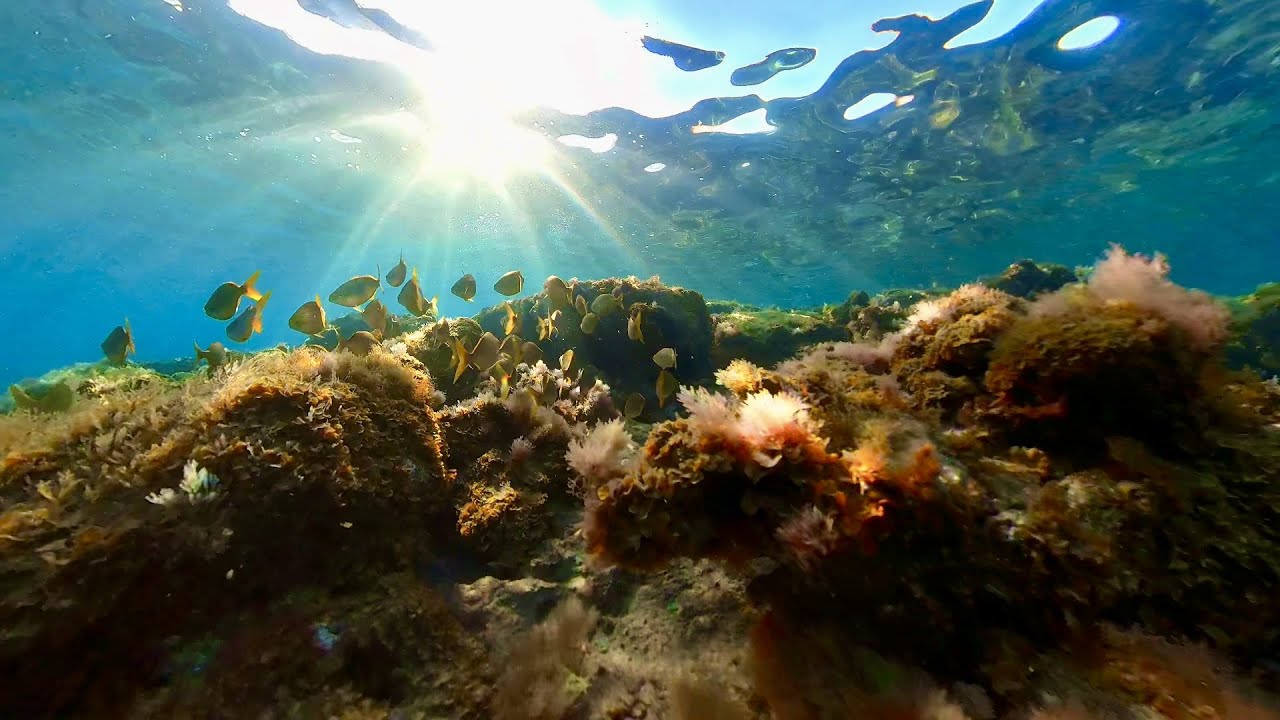
La Barra, the submerged basalt reef lying 200 meters offshore, is what transforms Playa de las Canteras from an ordinary city beach into a snorkeling destination. This natural breakwater runs for roughly two kilometers, creating a protected lagoon where wave action is minimal and water clarity remains high during morning hours. The reef itself sits one to three meters below the surface depending on tide, with the shallowest sections visible as dark patches from shore. Parrotfish, damselfish, and schools of salema porgy move through the volcanic formations, while octopus and moray eels occupy crevices along the deeper reef edges. The northern section near Playa Chica and Confital offers the most dramatic topography, with larger rock formations and more diverse marine life, though currents strengthen as you move away from the central lagoon. Water temperature holds steady between 19°C in winter and 24°C in summer, making a shorty wetsuit comfortable year-round but not strictly necessary during warmer months. Visibility ranges from 8 to 15 meters on calm mornings, dropping to 3-5 meters when afternoon winds arrive or after heavy swells. The sand bottom in the lagoon is fine and light-colored, so any disturbance from waves or swimmers reduces clarity quickly—another reason early arrival matters. Snorkeling Las Canteras means sharing the water with swimmers, paddleboarders, and surf students in designated zones. The southern third of the beach, from Playa Chica to the Alfredo Kraus Auditorium, sees the heaviest recreational traffic. The central stretch opposite Calle Prudencio Morales offers the calmest lagoon conditions and the easiest reef access for beginners. Local snorkelers favor the northern sections near La Puntilla, where the reef structure is more complex and fish populations denser, though entry requires navigating rockier footing. Gran Canaria's position in the Canary archipelago means the playa de las canteras snorkeling experience remains consistent across seasons, with no true off-season. Winter swells occasionally reduce visibility for a few days, but the reef's protection keeps the inner lagoon diveable even when the outer reef breaks heavily. Most visitors combine a snorkeling session with a walk along the palm-lined promenade and a meal at one of the beachfront terrazas that stretch the full length of Paseo de las Canteras.
“La Barra creates a two-kilometer lagoon where volcanic rock meets Atlantic clarity, making this one of Europe's few truly urban reef snorkeling sites.”
The best arrival window for snorkeling at Playa de las Canteras is 08:00–11:00. Arriving during these hours ensures calmer waters and better visibility before afternoon winds and crowds arrive.
—
Ideal for quiet observation of marine life in the reef zone.
Warm water 22-24°C
The ocean remains warm after summer with high water clarity.
Cooler water 19-21°C
Spring offers calm sea conditions and favorable water temperatures for snorkelers.
Verdict: For the clearest water and lowest density of beachgoers, plan your visit for a weekday morning between April and June or September and October.
Playa de las Canteras is a public beach accessible at all hours, though snorkeling is safest during daylight when lifeguard services are active.
Playa de las Canteras is a public beach, meaning there is no cost to access the water for snorkeling. Costs associated with the activity depend entirely on whether you provide your own equipment or choose to rent gear from private providers.
Verdict: A typical adult pays 0 EUR for beach access, though individual costs may arise if renting snorkeling gear from local vendors.
Playa de las Canteras is located along the Paseo de las Canteras, 35008 Las Palmas de Gran Canaria, Spain. The beach is accessible via the city's main public transport network and central road connections.
Guaguas Municipales lines 1, 2, or 12 to Parque Santa Catalina stop
GC-1 highway towards Las Palmas de Gran Canaria
Direct service to Paseo de las Canteras
Public parking in the area is limited, so arriving via bus at the Parque Santa Catalina interchange is often more efficient. From there, it is a short walk to the promenade where snorkeling access points are situated.
Proper equipment and preparation ensure a safe and comfortable snorkeling experience at Las Canteras.
The Paseo de las Canteras provides direct access to a high density of dining options ranging from casual terraces to sit-down establishments. Visitors seeking lower prices often find better value by walking a few blocks inland away from the immediate beachfront.
restaurant
These venues line the promenade overlooking the water, offering immediate convenience after exiting the sea.
market
Located at the northern end of the beach, this historic iron structure houses various food stalls serving tapas and local snacks.
restaurant
Running parallel to the beach just one block inland, this street features numerous local eateries with lower prices than the front line.
street
Several small supermarket branches are located within a short walk of the beach, ideal for grabbing supplies for a picnic on the sand.
Everything you need to know about playa de las canteras snorkeling
Access to the beach for public use is entirely free of charge. You do not need to pay an entrance fee to enjoy the coastline, as the beach remains open to the public at all times.
The best arrival window for snorkeling is 08:00–11:00. Arriving during these hours ensures you experience calmer waters and better visibility before the afternoon winds and higher crowd levels arrive.
Yes, the beach is monitored by professional lifeguard services throughout the day. Their presence helps ensure safety for all swimmers and those practicing water sports within the designated zones.
Children can safely participate in these activities given the calm conditions within the protected reef area known as La Barra. We recommend that parents supervise younger swimmers at all times and choose days with clear water conditions.
The marine reserve hosts a diverse ecosystem, including parrotfish, damselfish, and occasionally rays or octopuses among the volcanic rock formations. The shallow, clear environment makes it a popular spot for observing local biodiversity in its natural habitat.
There is no requirement to book or reserve your spot to swim or snorkel at this public beach. Simply arrive during your preferred window, verify the current tide conditions, and enter the water from the designated shore areas.